Friday, May 18, 2012

Managing Tantrums

Children use tantrums when they lose control and try to regain it. They use different techniques depending on the control issue such as waiting, transitioning, or denial. Any extended waiting situation can lead to a tantrum, "I can't get out of my seat but I can do THIS!"  as can transitions where you say "we're leaving" and the child doesn't want to. However, the tantrum for being told "no" at a store is a special situation. Managing these different types of tantrums requires different approaches and techniques.

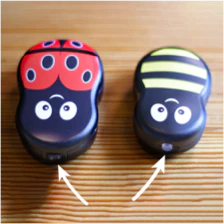
Bee-StractorsTaming waiting tantrums is easy as long as you are prepared. The simpliest sollution is you. You are the best form of entertainment for your child. If there is a verbal game or ongoing story you have on tap, use it. You can also use books or games, but sometimes they can get bulky or require a high level of creative energy. Consider small detailed games with pre-made find and seek questions like Bee-Stractors distraction cards, and keep them for emergencies. Rather than giving candy or a treat to reward a child for being good, prolong the magic by having the child play "I spy" and rewarding the 5th successful find.

Transition tantrums and doctor's office type tantrums are best tamed with offering choice:

"We are going to go. Would you like to go now or play for 5 more minutes?"
"We are going to go. Would you like to swing one more time or finish playing with the truck?"

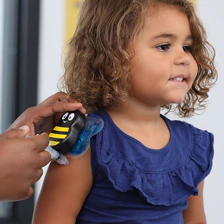
For doctor's offices, where shots are non-negotiable, you may need to offer MULTIPLE options for control for during, along with a carrot for after:

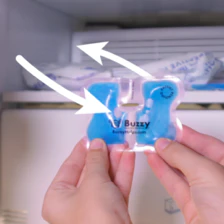
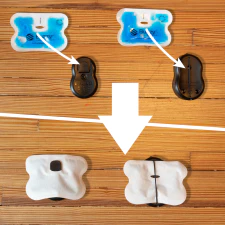
"You are going to get some medicine to keep you healthy. Would you like to use Buzzy or read a book with me while you get it? When we're done, would you like to go get lunch or have one of mommy's special candies?"

As sucrose decreases pain in younger children, if you're EVER going to let your child have sugar this is the time to do it.

Tantrums in stores about buying things are a different issue; these tantrums are a weapon rather than a logical extention of being overtired or feeling frustrated from lack of power over the world around the toddler. Never, ever, ever capitulate or you will reward the behavior and get more tantrums, more often. Set parameters before you go into a store, and do not deviate at all:

"We're going to get cereal, and you can pick one box."

When they ask for something, remind them of the deal:

"No, silly, remember? Your special treat today is to pick the cereal.  Do you want to go back and pick a different one?"

You laid the treat ground rules; do not negotiate with toddler terrorists.

If you're already in the vicious cycle of store tantrums, set the expectations up front with a consequence if there is a tantrum:

"I wasn't happy with your behavior last time: going to a store is not to get treats.  We have X reward at home, and if you go to the store and don't pitch a fit, you can have that when we go home.  If you pitch a fit, though, you can't have your normal dessert [or better yet, some more immediate consequence.]"

With an old enough child (5+), you can offer to help them achieve their reward:

"Not asking at the store is a new grown-up thing for you, and it might be hard to rememeber at first.  So you can earn your X, do you want me to have a code word to remind you that you're not supposed to ask for things?  What word?"

Let the child help you pick the word "booger" or "pinkiepie" or some silly word, then help when the child asks for something slyly glance over and say "Booger!" to help them earn a prize.

Please login to be able to chat.

Privacy Policy | Copyright by ©MMJ Labs, LLC.